Русский
 Türkçe
 Tiếng Việt
In modern cable manufacturing, material selection is often treated as a sales or compliance decision, but its impact on production stability is enormous. PVC, XLPE, and LSZH differ not just in electrical and safety properties, but in how they respond to extrusion, cooling, tensioning, and line speed.
Choosing the right material affects scrap rates, downtime, operator workload, energy consumption, and overall line efficiency. A PVC line can tolerate slight process deviations; XLPE requires disciplined thermal and pressure control; LSZH demands strict adherence to shear and cooling limits.
This article explores why these differences matter, how they manifest on the production line, and practical strategies for managing each material type.
1. PVC: The Workhorse Material
PVC (Polyvinyl Chloride) dominates low- and medium-voltage cable production due to low cost, flexibility, and established processing recipes.
1.1 Advantages of PVC
High flexibility for small- to medium-sized cables
Moderate thermal stability; process tolerances are forgiving
Well-understood extrusion parameters across global factories
1.2 Challenges in Production
Despite its forgiving nature, PVC has process limits:
Thermal sensitivity: Excessive temperature causes HCl release and discoloration; insufficient heat leads to poor flow and rough surface
Moisture sensitivity: Even minor water content causes bubbles and voids in insulation
Shear sensitivity: High screw speed can degrade PVC, affecting mechanical properties
1.3 Practical Factory Implications
Lines with stable temperature and tension run smoothly
Minor deviations in line speed or cooling rarely disrupt production
Frequent use of PVC allows operators to fine-tune processes over years, building experiential knowledge
PVC is ideal for LV and control cables, balancing cost, process stability, and quality.
2. XLPE: High-Performance Insulation
XLPE (Cross-Linked Polyethylene) is preferred for MV and HV applications due to excellent dielectric strength and thermal resistance. However, it is more sensitive to processing conditions.
2.1 Processing Sensitivities
Thermal window is narrow: Slight overheating degrades polymer; underheating reduces flow
Crosslinking timing: Inadequate peroxide dosing or improper cooling results in uneven mechanical properties
Die pressure sensitivity: Expansion, density, and surface smoothness are directly affected by pressure variations
2.2 Operational Considerations
Line stability is highly dependent on consistent material feed, precise screw speed, and uniform die pressure
Cooling must be carefully controlled to avoid core-to-surface density variation
Operators must monitor process parameters closely, as small deviations lead to scrap
2.3 Common Production Issues
Uneven foam or insulation thickness in MV cables
Surface roughness and die build-up due to inconsistent pressure
Variable mechanical properties affecting long-term reliability
XLPE provides performance advantages but requires discipline, skilled operators, and optimized line conditions.
3. LSZH: Safety First, Complexity Follows
LSZH (Low Smoke Zero Halogen) is critical in safety-sensitive environments such as metros, tunnels, and high-rise buildings.
3.1 Processing Challenges
High viscosity: Requires precise pressure control for extrusion
Shear sensitivity: Excessive screw speed can break polymer chains, compromising fire performance
Moisture sensitivity: Minor water contamination causes bubbles, pinholes, and voids
3.2 Line Adaptations
LSZH often requires longer extruder screws with gas venting sections
Cooling must be carefully staged to allow free expansion before solidification
Puller and haul-off tension adjustments are necessary to avoid surface defects
3.3 Operator and Maintenance Implications
Operators must understand material behavior under temperature, pressure, and shear
Maintenance frequency increases for components exposed to high-viscosity materials
Switching between LSZH and other materials often requires complete line recalibration
LSZH ensures safety compliance but demands high process discipline and trained staff.
4. Comparative Analysis of Material Impact on Production Stability
| Material | Thermal Window | Pressure Sensitivity | Shear Sensitivity | Operator Dependence | Scrap Risk | Line Speed Tolerance |
|---|---|---|---|---|---|---|
PVC | Medium | Medium | Low | Moderate | Moderate | Moderate-High |
XLPE | Narrow | High | Medium | High | High | Moderate |
LSZH | Narrow | Very High | High | Very High | High | Low-Moderate |
Key insight: advanced or safety-critical materials require more precise control; less forgiving materials amplify upstream or operator errors.
5. Material-Specific Process Adjustments
5.1 Extrusion Temperature
PVC: ±5°C tolerance; slight variation acceptable
XLPE: ±2–3°C tolerance; requires monitoring at multiple zones
LSZH: ±1–2°C; precise die and adapter temperature management required
5.2 Screw Speed & Torque
Stiffer compounds (LSZH) require slower, controlled screw rotation
XLPE may tolerate moderate speed increases if pressure and cooling are balanced
PVC is forgiving, allowing operators to push line speed for LV products
5.3 Cooling & Haul-Off
PVC tolerates fast cooling; minor surface defects can be corrected downstream
XLPE and LSZH require staged cooling and free expansion zones
Puller tension adjustments critical to avoid stretching or surface deformation
6. Real Factory Insights
A Southeast Asian factory producing MV XLPE cables observed:
Scrap rates ~8% when switching from PVC to XLPE using same extrusion parameters
Adjusting die temperature, puller speed, and tension reduced scrap to 3%
LSZH trials required screw modifications, staged cooling, and operator retraining
Lesson: same equipment behaves differently depending on material properties, even in identical environments.
7. Recommendations for Manufacturers
Plan line adaptation per material: Don’t assume PVC recipes work for XLPE or LSZH
Monitor temperature, pressure, and torque continuously
Implement free expansion zones for LSZH and XLPE to stabilize density
Invest in operator training for material-specific cues
Optimize upstream materials: moisture, filler, and batch consistency
Schedule preventive maintenance to reduce downtime and scrap
Material choice is not only about fire rating or insulation properties — it defines line stability, scrap rates, and operator workload.
Conclusion
PVC, XLPE, and LSZH differ significantly in how they respond to extrusion, cooling, and tensioning.
PVC is forgiving, cost-effective, and reliable for LV cables
XLPE delivers high electrical and thermal performance but demands tight control
LSZH ensures safety compliance but requires strict machine calibration and skilled operators
Understanding these material-specific challenges allows manufacturers to maintain production stability, minimize scrap, and optimize line performance, ensuring predictable results for every cable type.
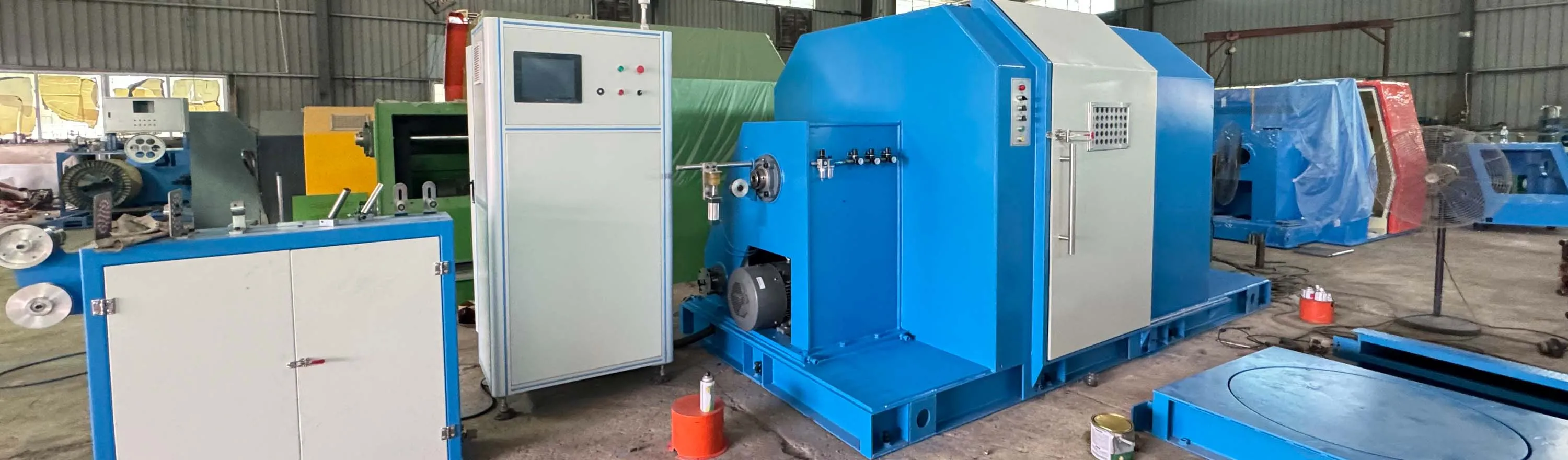
Explore the complete cable manufacturing system:
→ Cable Manufacturing Process & Equipment Guide