Русский
 Türkçe
 Tiếng Việt
Introduction: Why Drawing Copper Matters in Modern Cable Production
In the fast-evolving world of wire and cable manufacturing, precision and efficiency are no longer optional—they’re essential. Among the myriad processes that define cable quality, drawing copper stands out as a cornerstone for ensuring superior conductivity, tensile strength, and overall reliability. From high-speed stranding lines to automated coiling machines, the way copper is drawn and handled directly influences the final product’s performance.
Dongguan Dongxin (DOSING) Automation Technology Co., Ltd., a pioneer in industrial automation for cable equipment, has revolutionized this space. By integrating PLC-controlled systems into cantilever single-strand machines and other cable production lines, DOSING has overcome traditional speed constraints and increased production efficiency by over 40%. For engineers and procurement managers, understanding the step-by-step process of drawing copper is crucial—not just for machine operation but also for maintaining consistent quality and maximizing output.
Understanding Drawing Copper in Cable Manufacturing
Drawing copper refers to the process of pulling copper wire through a series of dies to reduce its diameter while improving its mechanical properties. This process is vital for:
Electrical conductivity: Properly drawn copper maintains uniform cross-sectional area, ensuring consistent conductivity.
Mechanical strength: The elongation during drawing increases tensile strength without compromising flexibility.
Coiling precision: Smooth, uniform copper ensures that automated coiling machines operate without tangling or uneven layering.
Related terms often encountered in the industry include wire drawing, copper elongation, tensile strength, annealing, and surface finish. Each of these factors plays a role in determining the final quality of cables, whether for PVC sheathed, chemical foamed, or multi-layer designs.
Equipment Overview for Precision Cable Coiling
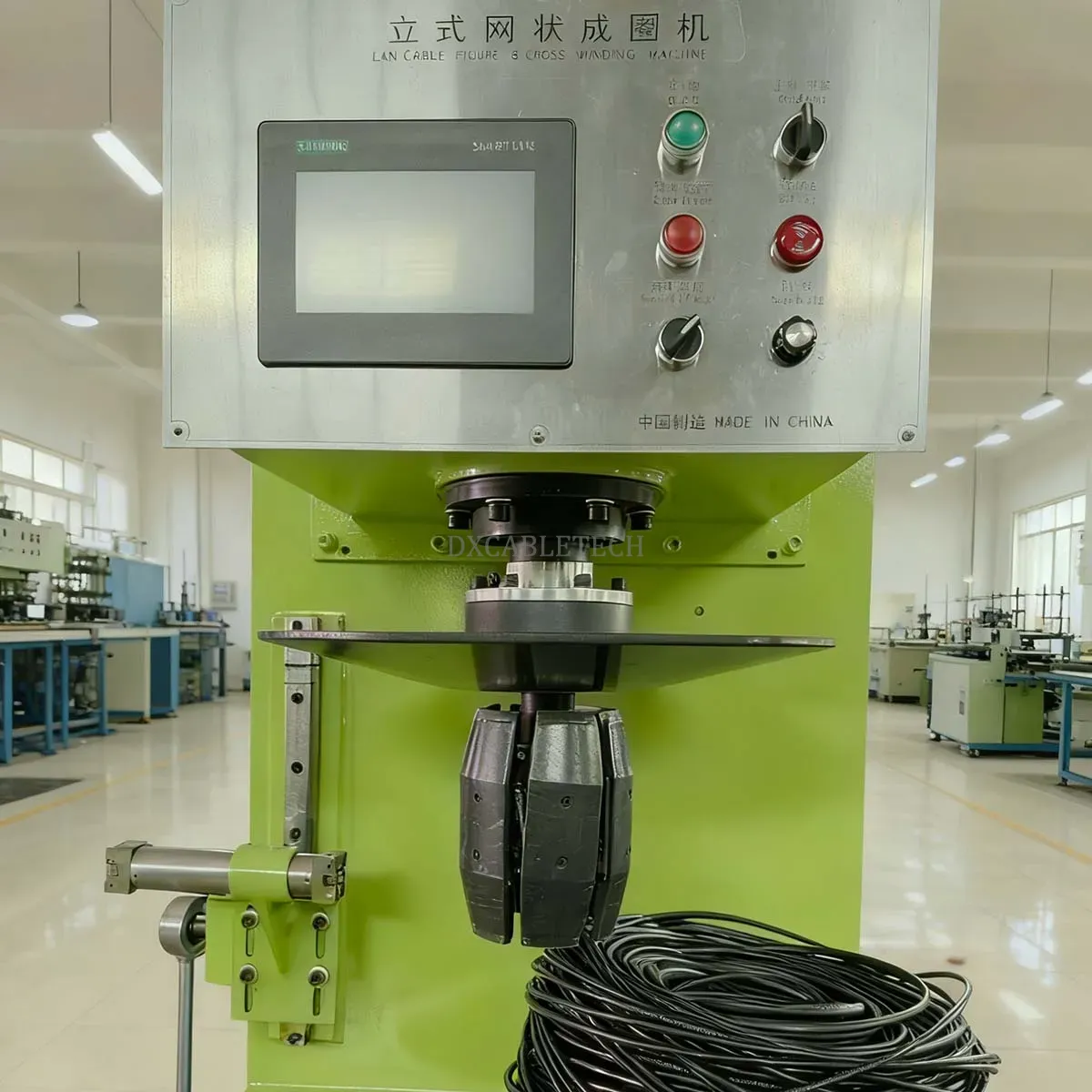
Precision in coiling machines starts with understanding the equipment. Modern cable factories employ a variety of coiling systems:
Single-layer wire coiling machines: Suitable for standard cable diameters, often used in small to medium production lines.
Multi-layer wire taping machines: These machines handle complex cable assemblies, requiring precise drawing copper control to avoid inconsistencies across layers.
Automatic coiling and winding systems: Integrated with PLC control, these systems allow for real-time monitoring of tension, speed, and wire uniformity.
By combining advanced automation with careful copper drawing techniques, engineers can ensure smooth operation, reduce downtime, and achieve higher throughput without sacrificing quality. DOSING’s machines, for example, enable operators to integrate drawing copper monitoring directly into the production line, maintaining optimal wire tension and surface integrity throughout.
Step-by-Step Drawing Copper Process
Mastering drawing copper involves a careful, methodical approach. Here’s a step-by-step guide for cable production engineers:
Step 1: Material Selection
Copper purity: High-conductivity oxygen-free copper (OFC) is preferred for high-performance cables.
Wire gauge: Choose the appropriate starting diameter based on the final cable specification.
Step 2: Pre-Treatment
Annealing: Softens copper for uniform elongation.
Cleaning: Removes oxide layers or contaminants to prevent surface defects during drawing.
Step 3: Drawing Process
Die selection: Use high-quality dies with precise bore dimensions to control final diameter.
Lubrication: Proper lubricants reduce friction and die wear, ensuring smooth drawing.
Tension control: Maintaining consistent tension prevents uneven stretching or breakage.
Step 4: Quality Checks
Diameter consistency: Measure wire regularly using a micrometer or laser diameter gauge.
Surface smoothness: Inspect for scratches, nicks, or surface irregularities that could affect coiling.
Step 5: Coiling and Winding Integration
Feed the drawn copper directly into the coiling machine, adjusting speed to match tension.
Multi-layer taping machines require careful alignment to prevent overlap or gaps.
Use sensors and PLC controls to automate corrections in real time, maintaining uniform coils.
Common Challenges and Troubleshooting
Even experienced engineers face issues during drawing copper operations. Some common problems include:
Uneven copper drawing: Leads to inconsistent coiling and potential cable failure.
Die wear: Causes diameter variation and surface defects; routine inspection is critical.
Overheating: High-speed drawing can generate heat, affecting copper softness and coiling precision.
Solutions:
Implement preventive maintenance schedules for dies and rollers.
Monitor real-time tension and speed using PLC integration.
Use high-quality lubricants and maintain proper annealing cycles.
Optimizing Efficiency and Production Output
Maximizing productivity while maintaining quality requires both technical skill and smart equipment use. Strategies include:
PLC-controlled monitoring: Real-time feedback ensures consistent drawing copper quality across single and multi-layer lines.
Automation integration: Reduces manual errors and ensures consistent tension and alignment during coiling.
Waste reduction: Accurate diameter control minimizes scrap material and enhances throughput.
Training operators: Skilled personnel can detect minor inconsistencies before they affect the final product.
By combining advanced machinery with best practices in drawing copper, cable manufacturers can achieve higher output, reduce maintenance costs, and ensure top-tier product quality.
Conclusion: The Importance of Drawing Copper for Coiling Precision
In modern cable manufacturing, precision is everything. From the initial copper wire to the final coiled product, drawing copper plays a decisive role in determining electrical performance, mechanical strength, and coiling accuracy. By following a structured process—from material selection, pre-treatment, and careful drawing to quality checks and integration with precision coiling machines—engineers can ensure consistent results and higher efficiency.
Companies like DOSING are leading the charge, integrating PLC-controlled automation and innovative coiling solutions to help factories optimize production lines, reduce downtime, and maintain superior cable quality. For engineers and procurement managers, understanding the nuances of drawing copper is not just technical knowledge—it’s a strategic advantage that directly impacts operational efficiency and customer satisfaction.
Explore the complete cable manufacturing system:
→ Cable Manufacturing Process & Equipment Guide