Русский
 Türkçe
 Tiếng Việt

Introduction: The Capacity Paradox
The global wire and cable industry is in an unusual position. Installed production capacity is growing across Asia, Europe, and North America, yet manufacturers are increasingly questioning whether the industry is on track for oversupply or facing localized shortages. On the surface, expanding infrastructure, EV adoption, and 5G rollouts suggest a straightforward growth story. In practice, factory floors reveal a more complex picture.
While capacity numbers climb, effective output is constrained by product diversity, frequent line changeovers, and increasingly stringent quality standards. Machines may run at full speed for one product, but a new customer specification can require hours of setup and adjustment. This gap between nominal and effective capacity is becoming the central challenge for manufacturers planning investments through 2030.
Global Capacity Trends: Asia Leading, But With Limits
Asia remains the largest hub for wire and cable production, led by China, India, and Southeast Asia. Investment in renewable energy infrastructure, urbanization projects, and export-oriented manufacturing has driven annual installed capacity growth of roughly 8–10% over the past few years.
However, capacity expansion does not translate directly into effective output:
China: While high-volume power cable lines dominate, environmental regulations and growing demand for high-spec products slow upgrades. Lines capable of handling advanced low-smoke zero-halogen (LSZH) cables often run below maximum capacity due to material handling complexity.
India & Southeast Asia: Flexible small-batch production expands quickly, yet operators face challenges maintaining consistent quality. Machines often operate at partial load for specialized runs, leaving periods of underutilization that are invisible in global statistics.
Case in point: A Southeast Asian plant producing high-speed data cables can fill its schedule with multiple short runs, but the total effective output rarely exceeds 75% of theoretical capacity. The rest is spent switching lines, calibrating equipment, and troubleshooting quality deviations.
Europe and North America: Quality Over Quantity
In developed markets, the story diverges:
Expansion in installed capacity is modest, focused primarily on high-value, low-volume cables such as EV charging cables, industrial automation, and specialized power lines.
Compliance with stringent safety, environmental, and industry standards limits raw throughput. Lines cannot operate at full speed without risking defects.
Skilled labor shortages in both regions compound the issue. Operators are required for precision work, making flexible automation investments a priority.
Here, effective capacity matters more than volume. A factory producing small batches of high-spec cables can be fully booked yet appear underutilized in nominal output figures. Oversupply in commodity products may coexist with shortages in specialized categories.Even with smaller installed capacity, European and North American lines face high-spec product demand that challenges production throughput and quality standards
Demand Drivers: Where Capacity Is Tested
1. Power Cables
Demand grows steadily, driven by grid upgrades, renewable integration, and cross-border energy transmission. Emerging markets see rapid installation, but demand for high-quality insulation and fire-resistant materials increases pressure on effective production capacity.
2. Data and Communication Cables
The 5G rollout, cloud computing expansion, and hyperscale data centers drive high-margin, low-volume cable demand. Production lines face tight tolerances, making full-speed operation impossible for many runs.
3. EV and Energy Storage Applications
Battery cables and charging infrastructure demand cables with exceptional thermal and mechanical properties. Production lines require specialized setups, reducing overall effective capacity despite high nominal throughput.
Oversupply vs. Shortage: Analyzing the Reality
Several factors determine whether global cable manufacturing faces oversupply or shortage:
Line Utilization: Nominal capacity often misrepresents actual output. High-spec lines operate intermittently for small batch sizes.
Process Complexity: Tighter tolerances, diverse insulation materials, and multi-layer cables reduce throughput.
Regional Standards: Export-oriented factories face multiple regulatory frameworks simultaneously. Even machines running at full nominal speed cannot always meet overlapping requirements.
Supply Chain Constraints: Copper, aluminum, and LSZH compound the mismatch between installed capacity and effective production.
Observation: While commodity power cables may risk oversupply in certain regions, shortages persist in high-spec, low-volume products.
Regional Risks and Imbalances
Asia: Oversupply in standard power cables; shortages in advanced LSZH and specialty data cables.
Europe & North America: Limited expansion but high-spec demand creates a mismatch between installed and effective capacity.
Global Supply Chains: Material shortages, logistic delays, and geopolitical factors can create temporary but severe local shortages, even where nominal capacity exists.
Strategic Implications for Manufacturers
To navigate these complexities, manufacturers must focus on flexible production systems:
Line Flexibility: Ability to switch between specifications quickly while maintaining product quality.
Data & Traceability: Real-time monitoring of process parameters and quality metrics to reduce scrap and downtime.
Investment Strategy: Timing equipment purchases to match effective demand, rather than expanding nominal capacity blindly.
Regional Strategy: Align production capabilities with local demand, standards, and export requirements.
Factories that ignore these factors risk either idle capacity in commodity products or inability to meet high-margin product demand.
Case Examples of Capacity Pressure
High-speed data cables in Asia: Lines operate at 70–75% of nominal capacity due to frequent calibration for different specifications.
EV charging cables in Europe: Even with smaller installed capacity, lines are booked solid, and delays in delivery occur when new insulation formulations are introduced.
Multi-region export lines: Lines capable of producing for multiple regional standards often spend 20–30% of time idle while operators adjust setups or validate certifications.
These examples illustrate that installed machines alone do not guarantee market fulfillment.
Conclusion: Capacity Numbers Can Be Misleading
Between 2025 and 2030, the global wire and cable industry will expand. Nominal installed capacity suggests abundance, yet effective, high-spec capacity remains constrained. Oversupply in standard power cables may coexist with shortages in specialty and high-margin products. Manufacturers that understand the difference between theoretical capacity and effective output, and that plan investments and production flexibility accordingly, will navigate this period successfully.
The key takeaway: building more machines is not the same as meeting market demand. Effective planning, process monitoring, and flexible operations are now the real competitive differentiators in global cable manufacturing.
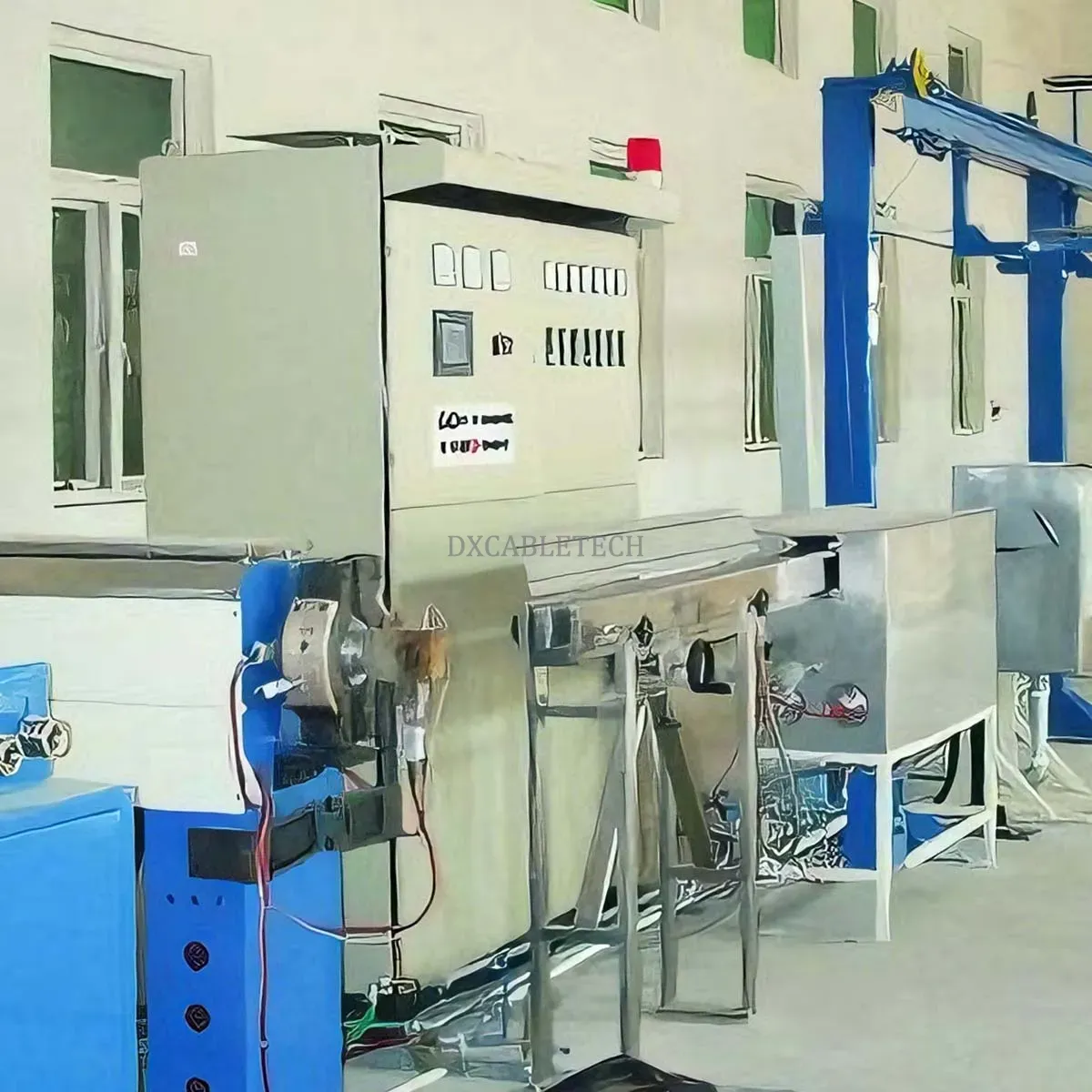
Explore the complete cable manufacturing system:
→ Cable Manufacturing Process & Equipment Guide