Русский
 Türkçe
 Tiếng Việt

The global wire and cable industry is entering a pivotal moment. As we move through 2025, changes in energy infrastructure, material costs, technology adoption, and regulatory environments are reshaping how cables are designed, manufactured, and deployed worldwide. For manufacturers, staying ahead means not only reacting to these shifts but planning strategically for long‑term transformation.
In 2025, the industry is no longer just about producing conductors and insulation materials. It’s about anticipating demand patterns, optimizing processes with digital tools, adjusting to supply chain realities, and delivering higher‑value solutions that align with global energy transition goals.
1. Continued Growth of Medium‑Voltage and High‑Voltage Segments
One of the clearest trends this year is the accelerated demand for medium‑voltage (MV) and high‑voltage (HV) cables. Across Asia‑Pacific, the Middle East, and parts of Africa, urbanization and large infrastructure projects are driving demand for MV/HV systems that reliably distribute power over long distances. Meanwhile, in North America and Europe, utilities are upgrading aging infrastructure to MV/HV frameworks to improve efficiency and reduce losses.
This shift reflects broader energy patterns. Renewable energy generation — especially large solar and wind farms — requires robust MV and HV transmission links to integrate power into national grids. As countries pursue decarbonization goals, MV and HV cables have moved from niche industrial applications to core energy infrastructure components.
For manufacturers, this trend means investing in production capabilities that support higher voltage ratings, stringent quality testing, and compliance with international standards such as IEC, IEEE, and regional grid codes.
2. Material Supply Pressures and Cost Optimization
2025 continues to see volatility in key raw materials, especially copper and specialized insulation polymers. Copper, the mainstay conductor material, has experienced price fluctuations due to geopolitical influences, mining and logistics constraints, and rising demand from energy and electronics sectors. Insulation polymers — particularly those used in MV and HV cables — face supply chain tightness linked to feedstock availability and production capacity limits.
Manufacturers should prepare for continued material cost pressures by:
Strengthening supplier partnerships to secure long‑term supply and pricing stability.
Exploring alternative conductor solutions, such as optimized aluminum alloys or composite conductors, where application requirements permit.
Enhancing material traceability and quality controls to ensure performance consistency while managing costs.
These strategies help balance material costs without sacrificing cable performance or reliability.
3. Digital Transformation and Smart Manufacturing
Industry 4.0 is no longer an optional upgrade — it’s becoming a core competitive factor. In 2025, successful manufacturers are those who leverage digital tools to enhance visibility, control, and performance across operations.
Key areas of digital transformation include:
Predictive maintenance with AI/ML analytics — monitoring equipment behavior (motors, extruders, cooling systems) to anticipate failures before they occur.
Real‑time process monitoring systems — enabling engineers to optimize extrusion parameters, line speed, and cooling profiles dynamically.
Automated quality inspection — using machine vision and pattern recognition to detect micro‑imperfections that would escape human inspection.
These technologies reduce downtime, minimize defects, and improve yield — directly impacting profitability and long‑term operational resilience.
4. Sustainability and Regulatory Compliance
Environmental and regulatory expectations are tightening worldwide. Governments and large industrial buyers increasingly demand traceability, recyclability, and reduced lifecycle environmental impact from wire and cable products. Some regions are introducing stricter emission and waste standards tied to cable manufacturing and disposal.
For manufacturers, this trend manifests in several ways:
Adoption of recycled polymers and eco‑friendly jacketing materials where performance allows.
Continuous improvement of energy efficiency in production (e.g., heat‑recovery systems, electricity optimization).
Transparent environmental product declarations (EPDs) and compliance documentation for large infrastructure tenders.
Proactive sustainability strategies not only help ensure compliance but also position manufacturers as preferred partners for international projects.
5. Demand for Technical Services and Higher‑Value Solutions
As systems become more complex, cable buyers expect more than just products. They want engineering expertise, design support, and lifecycle services. In industries like renewables, data centers, and industrial automation, end users increasingly seek partners who can support:
Cable system design and simulation
Site assessment and feasibility support
Installation guidance and performance validation
Manufacturers that build technical service capabilities — either internally or with trusted partners — differentiate themselves and unlock new revenue streams.
6. Regional Demand Patterns and Market Dynamics
2025 reveals distinct regional trends:
Asia‑Pacific: Continued infrastructure buildouts, electrification projects in emerging economies, and rapid renewable deployment keep cable demand robust. China, India, and Southeast Asian nations represent a significant share of global MV/HV cable consumption.
Europe: Focus is on upgrading existing grids, enhancing cross‑border interconnections, and integrating distributed energy resources. Sustainability and safety compliance are paramount.
North America: Industrial growth, EV infrastructure buildout, and energy storage projects create demand for both MV/HV and specialty cables.
Middle East & Africa: Large‑scale renewable and urban development projects create both volume and strategic partnerships.
Understanding these patterns helps manufacturers allocate capacity, prioritize product lines, and tailor sales strategies regionally.
7. Workforce Skills and Talent Development
With increasing automation and technical complexity in production, the industry is facing a parallel challenge: workforce readiness. Skilled engineers familiar with digital systems, extrusion process optimization, and advanced quality control are in high demand.
Manufacturers should invest in:
Continuous training programs for machine operators and engineers.
Partnerships with universities and technical institutes.
Digital learning platforms to upskill existing talent in data analysis, predictive maintenance, and automation tools.
A workforce that can leverage technology effectively becomes a major competitive advantage in 2025 and beyond.
8. Future Outlook: What’s Next
Looking forward to 2026 and beyond, several key trends are emerging that manufacturers should monitor closely:
Smart grids and distributed energy: Networks are becoming more dynamic, requiring cables that integrate sensors, monitoring capabilities, and enhanced performance characteristics.
Advanced materials: Research into nano‑enhanced insulation, improved conductor alloys, and flame‑retardant compounds will drive next‑generation cable performance.
Circular economy models: Recycling, reuse, and material reclamation will become increasingly integral as sustainability standards evolve.
Global standard harmonization: With multinational projects on the rise, harmonized standards will simplify compliance but require manufacturers to maintain broad certification portfolios.
Conclusion
In 2025, the global wire and cable industry stands at a crossroads of technology, sustainability, and market transformation. Urbanization and industrial growth are accelerating demand for higher‑capacity solutions. Renewable energy and infrastructure upgrades are reshaping product portfolios. Digital transformation and sustainability are no longer optional — they are strategic imperatives.
For manufacturers, the path forward involves strategic investment in technology, robust supply chain planning, talent development, and expanded service offerings. Those who adapt early will not only thrive but help define the next era of the wire and cable industry.
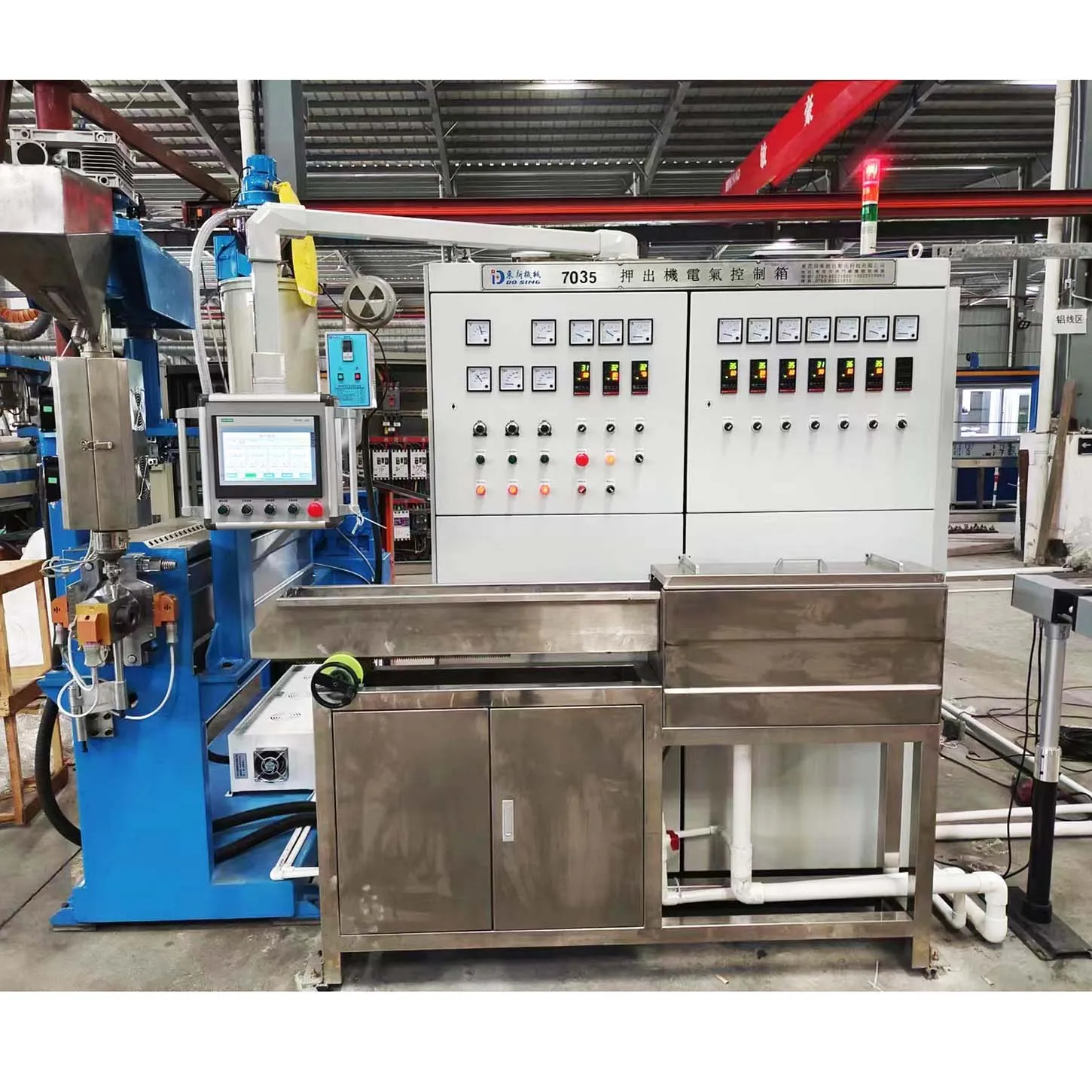
Explore the complete cable manufacturing system:
→ Cable Manufacturing Process & Equipment Guide