Русский
 Türkçe
 Tiếng Việt

The rapid growth of global data centers is transforming the cable industry in unprecedented ways. Cloud computing, streaming platforms, artificial intelligence, and 5G connectivity are driving massive increases in data traffic. Traditional cabling solutions—originally designed for general power or low-speed data applications—cannot meet the high-performance, high-density, and specialized requirements of modern data centers.
Manufacturers are now under pressure to develop cables that are not only technically superior but also reliable, efficient, and future-proof. This article explores the trends, technical requirements, and market forces driving the surge in demand for specialized cables in data centers worldwide.
1. The Data Center Boom
Global data centers are expanding at a remarkable pace. According to industry reports, the number of hyperscale data centers worldwide is expected to exceed 700 by 2030, with a significant concentration in North America, Europe, and Asia-Pacific.
1.1 Drivers of Growth
Cloud computing: Enterprises are increasingly moving workloads to cloud platforms, requiring high-capacity cabling for storage and network connectivity.
Streaming services and digital content: Video, gaming, and AI-powered applications generate high bandwidth demand.
5G rollout: The proliferation of 5G requires more network aggregation points and fiber connectivity, feeding back into data centers.
1.2 Implications for Cabling
The rapid data growth translates into massive cabling needs. Data center operators now require:
High-speed fiber-optic backbones.
Specialized copper cables for specific low-latency or power-intensive applications.
Hybrid solutions that combine power and data in single cable assemblies.
This represents a shift from volume-driven standard cables to technical performance-driven specialized cables.
2. Technical Requirements for Specialized Cables
Modern data centers are demanding in multiple dimensions:
2.1 High-Speed Data Transmission
Data centers increasingly deploy 400G and 800G Ethernet systems.
Fiber-optic cables are preferred for long-distance and high-speed connections.
Copper cablingis still used for short-reach interconnects, but it must meet strict low-loss, low-crosstalk, and high-frequency requirements.
2.2 Power Distribution
Servers, UPS systems, and battery backups require high-capacity power cables.
These cables must be flexible, durable, and resistant to heat and vibration.
Proper insulation is critical to prevent overheating and maintain operational reliability.
2.3 Safety and Regulatory Compliance
Modern data centers require low-smoke zero-halogen (LSZH) cables for fire safety.
Cables must comply with international standards, especially in Europe and North America.
Environmental compliance is increasingly important as operators pursue sustainable certifications for their facilities.
3. Material Innovations
To meet these technical demands, cable manufacturers are innovating across materials:
High-purity copper and aluminum alloys for enhanced conductivity.
Hybrid cables that combine fiber and copper for both power and data, optimizing space in high-density racks.
Advanced insulation materials that tolerate high temperatures, improve flexibility, and reduce fire risk.
Sustainable and recyclable materials to meet environmental requirements without compromising performance.
These material innovations are not just about functionality—they also allow manufacturers to differentiate their products and gain market share in a competitive industry.
4. Market Trends and Regional Insights
4.1 North America
Home to many hyperscale cloud providers.
Focused on high-performance, high-density cabling and sustainability certifications.
4.2 Europe
Strong environmental and safety regulations.
Specialized LSZH cables and energy-efficient cabling systems are in high demand.
4.3 Asia-Pacific
Rapid expansion due to digital adoption and 5G infrastructure.
Opportunities for specialized cables are growing, especially in large-scale greenfield data centers.
4.4 Niche Opportunities
Small and medium cable manufacturers can enter by offering customized or innovative solutions, such as cables optimized for modular or containerized data centers.
5. Challenges for Manufacturers
Producing specialized cables for data centers is not without hurdles:
Technical expertise: Advanced cabling solutions require precise engineering and testing.
Material sourcing: High-quality conductors and insulation materials must be reliable and scalable.
Regulatory compliance: Cables must meet multiple international standards simultaneously.
Installation complexity: High-density and high-speed applications require careful planning.
Successfully navigating these challenges can give manufacturers a competitive advantage in this high-margin segment.
6. Future Outlook
Looking ahead:
The demand for customized, high-performance cables will continue to rise.
Integration with AI and monitoring systems may lead to “smart cables” with embedded sensors for predictive maintenance.
Sustainability trends will encourage eco-friendly insulation and recyclable conductors.
Smaller, agile manufacturers can capture niches by offering innovative, application-specific solutions.
Data centers are expected to remain a growth engine for specialized cables well into the 2030s.
Conclusion
The surge of data centers worldwide is driving a fundamental shift in the cable industry. Standard cables are no longer sufficient; operators demand specialized solutions that deliver high-speed data transmission, reliable power distribution, regulatory compliance, and sustainability.
Manufacturers who embrace material innovation, understand market trends, and offer tailored solutions will capture long-term growth opportunities. The data center market is not just about more cables—it’s about smarter, better, and more specialized cables that meet the demands of the digital age.
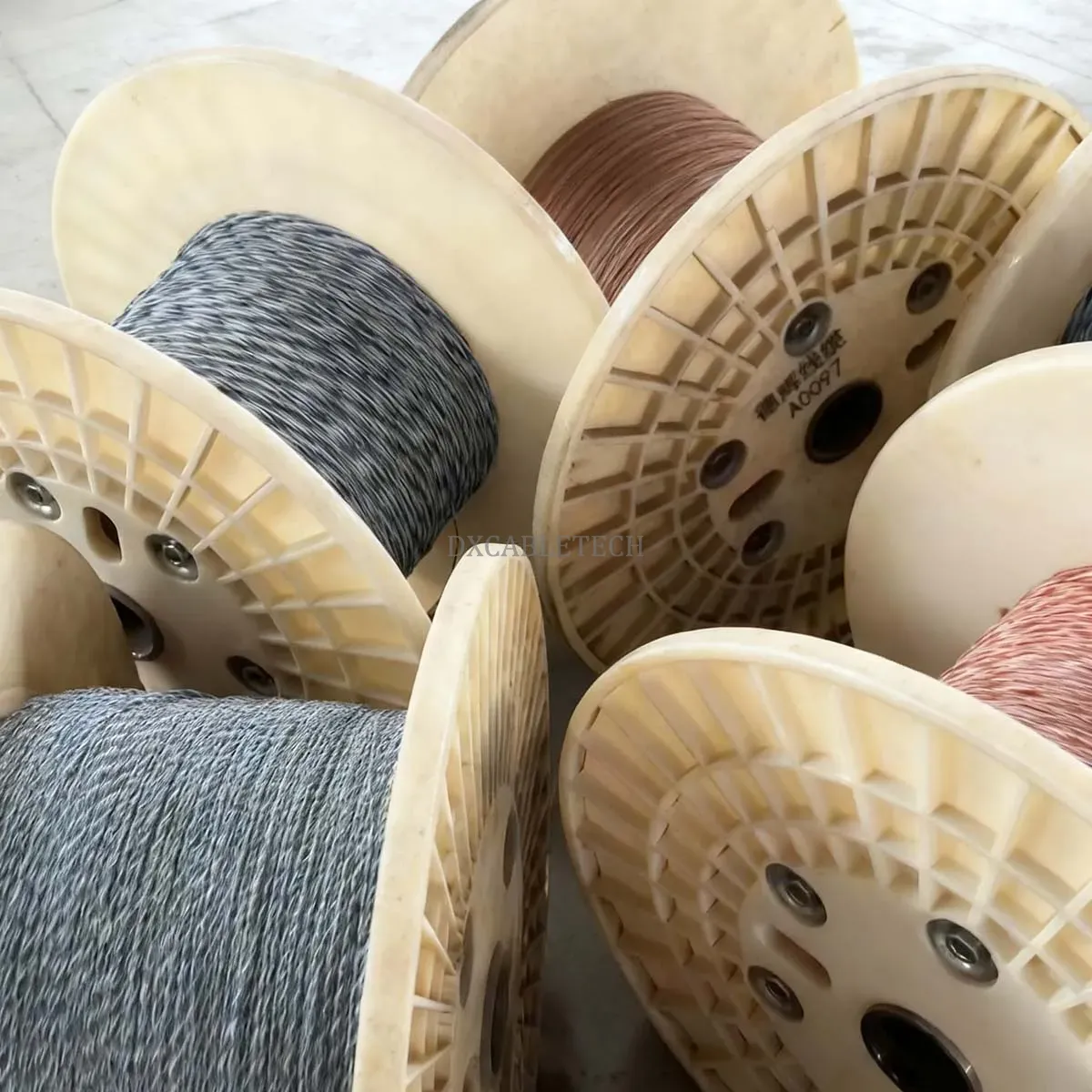
Explore the complete cable manufacturing system:
→ Cable Manufacturing Process & Equipment Guide