Русский
 Türkçe
 Tiếng Việt
The global cable industry is undergoing a profound transformation. With the rapid expansion of renewable energy, increasing reliance on energy storage systems, and ambitious grid modernization projects, the demand for medium-voltage (MV) and high-voltage (HV) cables is surging. These cables are no longer simple conduits of electricity; they are critical infrastructure components that ensure the stability, reliability, and efficiency of modern power networks.
For cable manufacturers, the implications are significant. Meeting the technical requirements of these projects requires advanced material selection, precise manufacturing processes, rigorous quality control, and strategic operational planning. At the same time, market dynamics, regional infrastructure projects, and sustainability pressures are reshaping production priorities.
1. Drivers of Cable Demand: Energy Storage Systems
Energy storage systems (ESS), particularly lithium-ion battery farms, flow batteries, and pumped hydro storage, are central to the modern energy ecosystem. These systems help balance intermittent renewable generation, stabilize grids, and enable demand response programs.
1.1 Technical requirements for energy storage cables
Voltage levels: Most ESS connections operate at medium-voltage levels (1–35 kV), with larger installations requiring high-voltage connections (>35 kV) to minimize transmission losses.
Current capacity: High-capacity cables are required to handle peak charge/discharge cycles without overheating.
Insulation materials: Cross-linked polyethylene (XLPE) or flame-retardant compounds provide thermal stability, chemical resistance, and long service life.
Mechanical protection: Armoring and reinforced jacketing prevent damage during installation and operation, especially for underground or outdoor deployment.
1.2 Case example: California’s 100 MW lithium-ion storage
A 100 MW battery storage facility in California required over 50 km of MV cable to link storage units with the regional transmission network. Careful selection of conductor type, insulation, and proper thermal management ensured minimal voltage drop and long-term operational reliability. The project demonstrates that proper cable selection is as critical as battery capacity for overall system efficiency.
2. Grid-Scale Renewable Integration
Large-scale renewable projects—solar farms, wind parks, and hybrid energy plants—demand long-distance, high-capacity cables. Unlike residential or small commercial projects, these installations must transmit power efficiently across kilometers of terrain to reach substations or the main grid.
2.1 Voltage and conductor selection
MV vs HV: Medium-voltage cables are standard for substation connections and short-distance transmission. High-voltage cables are used for long-distance transmission to reduce line losses.
Conductor materials: High-purity copper remains standard for most applications due to its excellent conductivity. In some cases, optimized aluminum alloys provide cost-effective alternatives.
Cable configuration: Single-core, three-core, or armored cables are chosen based on project requirements, installation environment, and fault tolerance.
2.2 Case example: 200 MW solar farm in northern Chile
In Chile’s Atacama Desert, a 200 MW solar farm deployed MV and HV cables over 30+ kilometers to connect the plant with the national grid. Manufacturing precision—consistent insulation thickness, tension control, and proper armoring—was essential to minimize scrap and ensure regulatory compliance.
3. Regional Demand Patterns
Asia-Pacific:
Rapid urbanization, industrialization, and renewable energy deployment drive MV/HV cable demand. China and India are leaders in grid-scale renewable integration, creating high demand for reliable cable infrastructure.
Europe:
Grid modernization projects, cross-border interconnections, and energy storage integration drive demand for technically advanced MV/HV cables. Compliance with environmental and safety regulations is a key driver for higher-quality cable production.
North America:
Energy storage projects, EV infrastructure, and industrial electrification increase MV/HV cable requirements. Large battery storage systems in California, Texas, and the Midwest exemplify this trend.
Middle East & Africa:
Deserts and remote renewable installations necessitate long-distance, high-capacity cables. Countries such as UAE, Saudi Arabia, and South Africa are investing in grid-scale solar and wind farms.
4. Manufacturing Challenges
Meeting the technical demands of energy storage and grid-scale projects requires process optimization, material excellence, and precise quality control.
4.1 Extrusion and insulation control
Stable extrusion temperatures are critical. For XLPE insulation, temperatures typically range 120–150°C; for PVC, 180–210°C. Fluctuations of ±2°C can create bubbles or voids, leading to scrap.
Line speed must be carefully controlled to maintain uniform insulation thickness. Sudden accelerations can create thin spots or bulges.
4.2 Conductor tension and stranding
Maintaining precise conductor tension (±3%) prevents strand breakage and uneven surfaces, reducing insulation defects downstream.
Stranding head alignment and operator skill are crucial to minimize conductor-related scrap.
4.3 Inline monitoring and testing
Laser thickness gauges and video inspection systems detect defects in real-time.
Automated feedback systems can adjust extrusion speed or die temperature immediately, preventing batch-wide defects.
4.4 Preventive maintenance
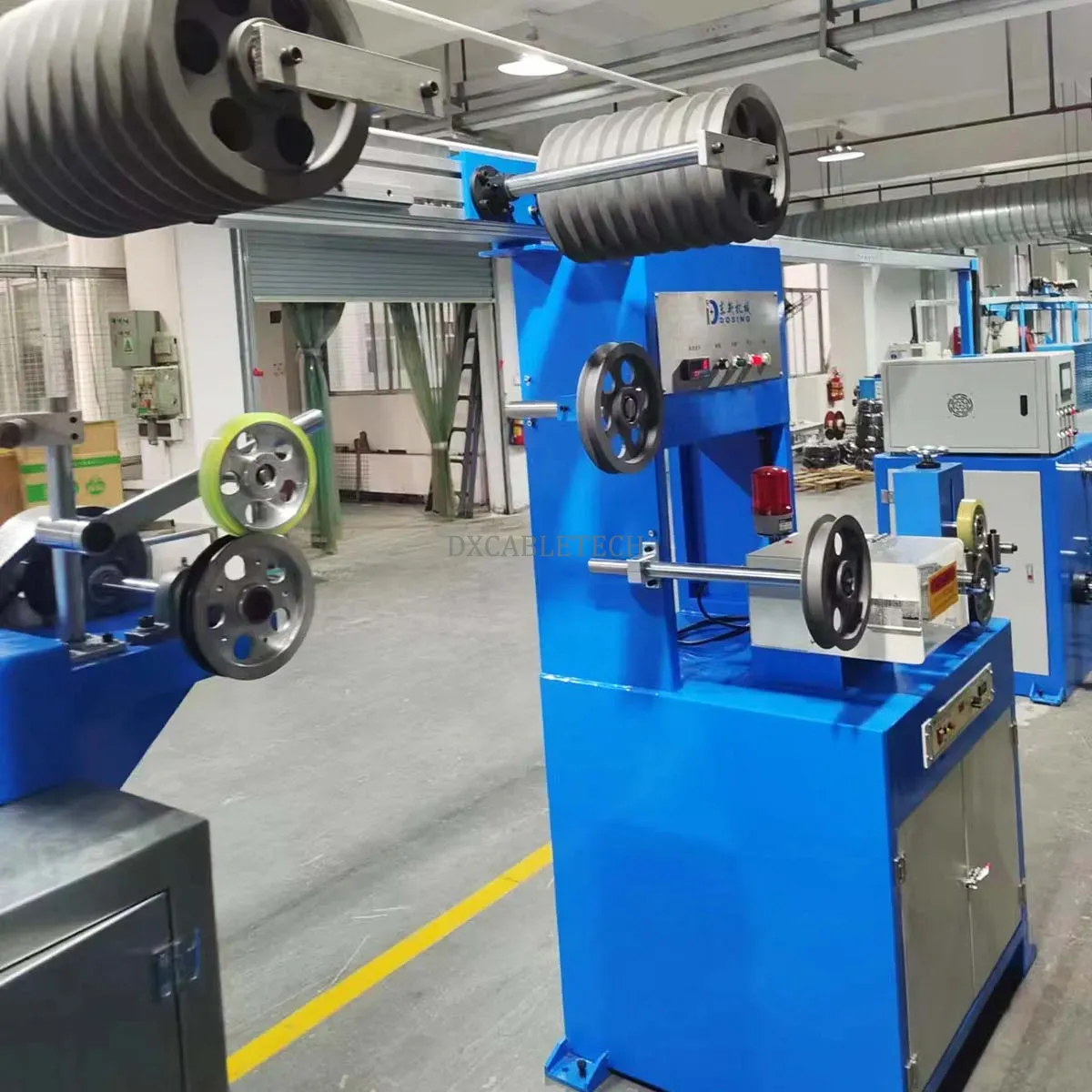
Regular calibration, lubrication, and inspection of extruders, pullers, and dies maintain process stability and reduce scrap.
5. Sustainability and ESG Compliance
Reducing scrap is not only a cost-saving measure—it is increasingly a sustainability imperative:
Regrinding defective insulation and recycling metal conductors minimizes material waste.
Selecting recyclable insulation materials and energy-efficient production methods aligns with ESG goals.
Compliance with environmental standards enhances manufacturer reputation and project eligibility.
6. Case Study: Southeast Asia MV Cable Manufacturer
A mid-sized MV cable factory in Thailand implemented targeted process improvements to support growing grid-scale demand:
Fine-tuned extrusion parameters and line speeds.
Implemented inline laser thickness measurement and video defect detection.
Conducted operator retraining on conductor inspection and machine handling.
Introduced preventive maintenance schedules for dies, pullers, and haul-off systems.
Within six months:
Scrap rate decreased from 6% to 2.2%.
Material costs reduced by 18%.
Production efficiency increased by 12%.
This example illustrates that strategic process optimization can meet complex project demands without replacing machinery.
7. Market Outlook
Analysts forecast that MV/HV cable demand driven by energy storage and grid-scale projects will grow 7–9% CAGR over the next five years, outpacing LV cable growth. Key drivers include:
Increased renewable energy capacity and energy storage adoption.
Expansion of smart grids and EV infrastructure.
Government incentives and sustainability mandates.
Manufacturers investing in process optimization, high-quality materials, and digital monitoring are positioned to capture a significant share of this growing market.
8. Future Trends
Smart cables and sensor integration: Real-time monitoring of current, temperature, and insulation integrity.
Next-generation insulation materials: Nano-enhanced polymers and flame-retardant compounds.
Circular economy adoption: Recycling and reuse of conductors and insulation to reduce material costs and environmental impact.
Global standard harmonization: Simplifying compliance for international projects while maintaining high-quality manufacturing standards.
Conclusion
Energy storage and grid-scale projects are redefining the global cable market. MV and HV cables are no longer optional—they are critical to ensuring reliable electricity transmission, grid stability, and renewable energy integration.
For cable manufacturers, success depends on:
Optimizing production processes.
Maintaining high material quality.
Implementing inline monitoring and preventive maintenance.
Investing in skilled operators and sustainable practices.
By embracing these strategies, manufacturers can meet growing global demand, reduce scrap, and secure a competitive edge in an increasingly complex and high-stakes market.
Explore the complete cable manufacturing system:
→ Cable Manufacturing Process & Equipment Guide