Русский
 Türkçe
 Tiếng Việt
Cable manufacturers often share the same frustration:
two factories buy the same model, from the same supplier, with similar specifications — yet one line runs smoothly and profitably, while the other struggles with scrap, instability, and constant adjustments.
At first glance, this feels unfair. The machine is identical. The drawings are identical. The promised capacity is identical.
But cable machines do not operate in isolation. In reality, a cable machine is only one part of a larger production ecosystem, and small differences in that ecosystem can dramatically change performance.
This article explains why the same cable machine behaves differently across factories, and what actually determines whether a line performs well or disappoints.
1. The Machine Is the Same — the Process Is Not
This is the core misunderstanding.
A cable machine does not “produce quality” on its own. It responds to:
Incoming material behavior
Operator decisions
Environmental conditions
Upstream and downstream processes
Two factories may install the same line, but if these surrounding factors differ, the machine will behave very differently.
Think of the machine as an amplifier — it magnifies whatever process discipline already exists.
2. Raw Material Consistency Changes Everything
2.1 Copper and Aluminum Are Not Just “Copper and Aluminum”
Even when specifications match, materials behave differently depending on:
Annealing quality
Hardness variation
Surface condition
Batch-to-batch consistency
One factory may receive:
Stable, well-annealed wire
Another may receive:Mixed hardness, residual twist, or memory
The machine reacts accordingly:
Stable material → stable line
Inconsistent material → constant adjustments
Same machine. Very different experience.
2.2 Polymers Behave Differently in Real Life
Plastic datasheets are averages. Real production isn’t.
Differences in:
Melt flow index drift
Moisture content
Storage conditions
Supplier formulation tweaks
can cause:
Pressure instability
Surface defects
Foaming inconsistency
A factory with strict material handling will “feel” like it has a better machine — even when it doesn’t.
3. Foundation, Alignment, and Installation Quality
This part is often underestimated.
3.1 Mechanical Alignment Is Rarely Identical
During installation:
Shaft alignment
Center height consistency
Line straightness
are influenced by:
Floor flatness
Installer skill
Time pressure during commissioning
Small misalignments cause:
Vibration
Bearing wear
Tension instability
One factory invests time here.
Another rushes to start production.
Six months later, performance gaps appear.
3.2 Vibration and Floor Rigidity Matter More Than Expected
Machines installed on:
Reinforced concrete floors
behave very differently from those on:Thin slabs or uneven foundations
Vibration affects:
Tension control
Sensor stability
Long-term mechanical accuracy
Same machine, different floor — different results.
4. Operator Behavior Is a Hidden Variable
4.1 “Same SOP” Does Not Mean Same Operation
Factories may claim:
“We follow the same process.”
In practice:
Operators adjust by feel
Habits differ shift to shift
Speed is prioritized differently
Some teams:
Respect process windows
Others:Push limits constantly
Machines don’t like surprises.
4.2 Speed Philosophy Changes Outcomes
One factory asks:
“What speed keeps scrap low?”
Another asks:
“What speed hits the daily target?”
The machine reacts accordingly:
Higher speed → narrower stability margin
Slight instability → amplified defects
Machines don’t reward aggressive operation. They tolerate disciplined operation.
5. Maintenance Culture Makes or Breaks Performance
5.1 Preventive vs Reactive Maintenance
Two factories, same machine:
Factory A:
Cleans regularly
Replaces wear parts early
Monitors trends
Factory B:
Fixes only when failure happens
After a year:
Factory A says the machine is “stable”
Factory B says the machine is “problematic”
The machine didn’t change. The maintenance philosophy did.
5.2 Wear Accumulates Quietly
Wear doesn’t announce itself.
Dies slowly enlarge
Screws slowly lose efficiency
Bearings slowly loosen
Factories that monitor and act early never experience “sudden problems”.
Factories that don’t believe failures are random.
6. Upstream and Downstream Equipment Compatibility
6.1 The Line Is Only as Stable as Its Weakest Section
A perfect extruder fed by:
Unstable pay-offs
Poor dancer control
Inconsistent take-up
will still perform badly.
The same extruder connected to:
Balanced tension systems
Well-matched take-up torque
will look “better”.
The difference is not the extruder — it’s the line integration.
6.2 Process Mismatch Creates False Blame
Often, defects caused upstream are blamed on:
Extrusion
Bunching
Because that’s where they become visible.
Different factories integrate lines differently, so blame lands on different machines, even when the root cause is elsewhere.
7. Environmental Conditions Are Not Neutral
Temperature and humidity affect:
Adhesives
Polymers
Cooling behavior
Sensor accuracy
A factory in a controlled environment will see:
Stable performance
A factory with:
Seasonal temperature swings
Poor ventilation
will see:
“Unexplainable” variation
The machine isn’t unstable — the environment is.
8. Commissioning Quality Defines the First Year
How a machine is commissioned often determines how it is perceived forever.
Good commissioning:
Builds understanding
Establishes baselines
Trains operators properly
Rushed commissioning:
Leaves unknown limits
Encourages guesswork
Creates long-term instability
Two factories may receive the same startup support — but use it very differently.
9. Why Buyers Often Misjudge Machine Quality
When buyers compare machines, they often hear:
“That model works well in other factories.”
What they don’t hear:
Under what materials
With what operators
At what speed
Under what maintenance discipline
Machines don’t succeed in isolation. They succeed in systems.
Conclusion
The same cable machine can perform brilliantly in one factory and poorly in another — not because the machine changed, but because everything around it did.
Performance is shaped by:
Material consistency
Installation quality
Operator discipline
Maintenance culture
Line integration
Environmental control
A good machine amplifies good processes.
A stressed process will expose every weakness — even in the best equipment.
Understanding this difference is the first step from blaming machines to building stable production.
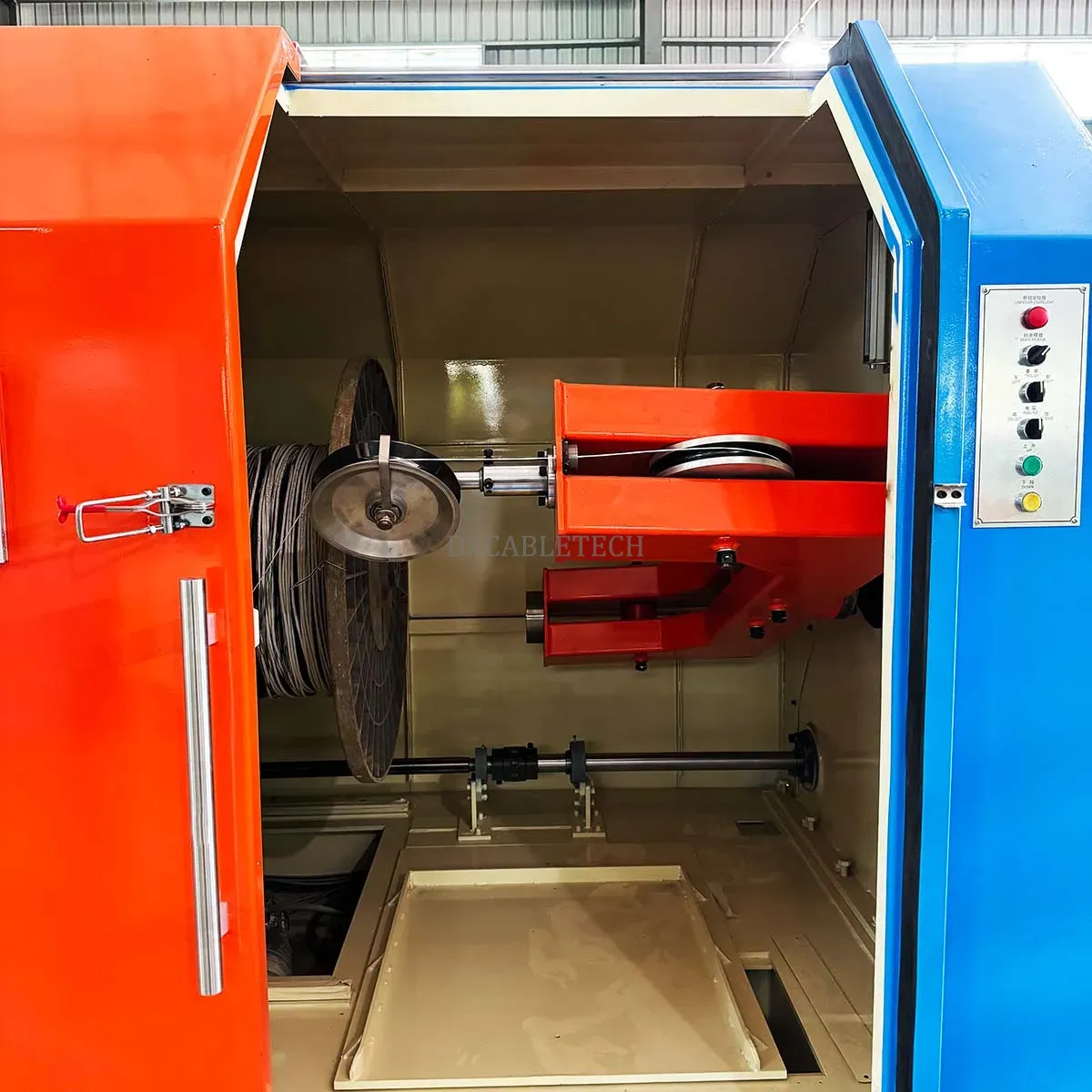
Explore the complete cable manufacturing system:
→ Cable Manufacturing Process & Equipment Guide