Русский
 Türkçe
 Tiếng Việt

Understanding the Shifts Shaping Cable Manufacturing in 2025
The cable industry walked into 2025 carrying both momentum and uncertainty. Demand for power cables, data cables, EV wiring harnesses, automation cables, and specialty high-performance wires continues to climb globally—but the price landscape looks very different from what factories experienced over the past two years.
As raw materials fluctuate, global logistics reorganize, and OEM requirements tighten, cable factories are facing a harder question:
How do we maintain profitability while keeping delivery stability in a volatile supply chain?
This report consolidates real-world factory observations, procurement behavior trends, and upstream-downstream market signals to give cable manufacturers a clearer forecast for 2025.
1. Raw Material Price Trends: Copper, Aluminum & Polymers
Copper: Expect High-Level Fluctuations, Not a Crash
Copper prices remain the single strongest driver of cable cost. In 2025, analysts are observing:
Strong demand from renewable energy and EV charging projects
Reduced mining output from key regions
Persistent financial speculation in commodity markets
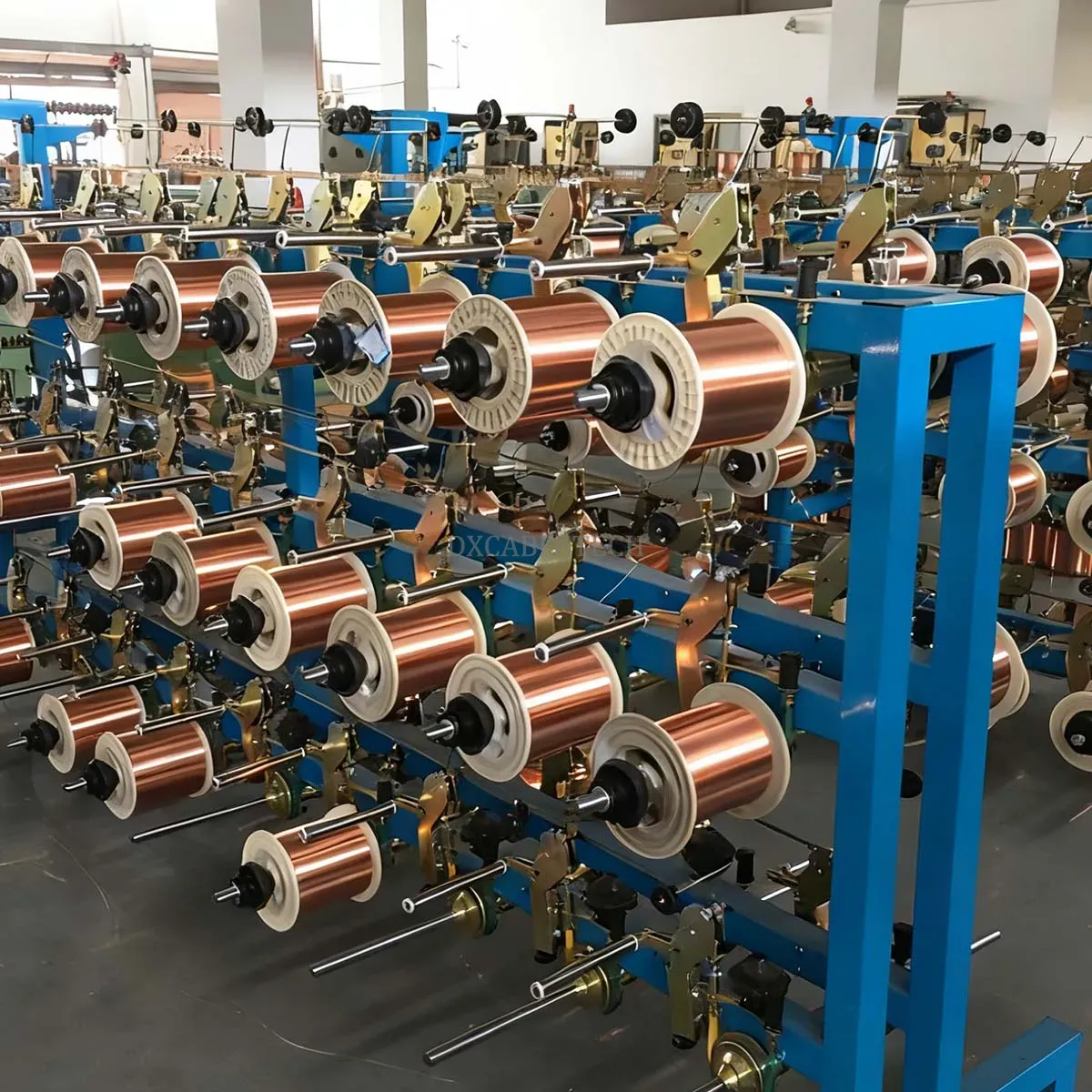
Most trading desks expect copper to stay at a historically high range, with short-term volatility but no major downward collapse. For cable factories, this means:
Tighter cashflow pressure
More need for pre-purchase locking
Higher operating risk for long delivery orders
Aluminum: More Stable but Rising in Q2–Q3
Aluminum demand is strengthened by lightweight automotive applications and high-voltage transmission cables. Prices are rising moderately due to energy costs and refinery limitations.
PVC, XLPE, TPE, TPU: Polymer Costs Increasing
Driven by petroleum price increases and the tightening of environmental regulations, polymer suppliers have issued multiple price adjustments.
Impact on cable manufacturers:
XLPE and halogen-free compounds see the highest increases
General PVC remains affordable but with higher MOQ pressure
Lead times from compound manufacturers extend by 15–25%
2. Global Demand Outlook: What Sectors Are Driving Cable Consumption?
1) Renewable Energy & Power Infrastructure – The Strongest Driver
Solar farms, wind projects, and grid modernization lead global cable demand growth. High-voltage and medium-voltage cables remain core, but data cables and control cables in monitoring systems also show strong expansion.
2) Automotive & EV – High Growth but High Requirements
EV wiring harness products are growing, but OEMs increasingly demand:
Smaller conductor diameter tolerances
Higher temperature resistance
Better shielding for high-frequency noise
This pushes factories toward more advanced extruder lines, precision payoffs, and stable stranding.
3) Data & Communication – Steady Expansion
USB-C, high-speed LAN, and industrial Ethernet cables continue increasing with digitalization and 5G deployment. Shielding performance and line speed consistency are becoming more critical.
4) Household Appliance & Consumer Electronics – Stable but Lower Margin
Demand is steady, but competition is extremely price-driven.
3. Supply Chain Pressure: Where Costs Are Rising in 2025
Logistics
While shipping prices are more stable than in 2021–2023, geopolitical risks continue affecting routes. Factories must account for:
Temporary port congestion
Re-routing delays
Increasing freight insurance fees
Manufacturing Equipment & Spare Parts
More factories are upgrading equipment to maintain tolerance and meet global requirements. As a result:
Delivery time for extrusion tooling, capstans, and sensors increases
Spare parts ordering cycle becomes longer
Automation equipment prices rise due to component costs
Labor Costs
Most cable-producing regions report wage increases between 8–12%, pushing manufacturers toward higher automation adoption.
4. Pricing Behavior in 2025: What Cable Buyers Are Doing Differently
1) Shorter Lock-in Cycles
Buyers avoid long-term fixed-price agreements due to copper volatility.
2) Stricter Quality Control Before Mass Orders
More buyers now request:
Detailed process reports
Stranding consistency data
Insulation concentricity measurement
Shield coverage test reports
Factories lacking standardized QC lose competitiveness.
3) Supplier Diversification
Large overseas buyers no longer rely on a single factory, increasing pressure on mid-sized cable plants.
5. How Cable Factories Can Reduce Risk in 2025
(1) Upgrade Equipment for Lower Waste and Higher Stability
In a high-cost environment, waste reduction = direct profit.
Factories benefit from upgrading:
High-precision extruder lines (better plasticization, stable diameter)
Digital stranding machines for uniform tension
High-speed coiling machines with intelligent tension control
Even a 2–3% material saving becomes significant in large-scale production.
(2) Strengthen QC Documentation
Factories with traceable QC data receive more international orders.
Key areas include:
Diameter control curves
Insulation/taping overlap accuracy
Shield braid density
Conductor lay length stability
(3) Build a Multi-supplier Raw Material Network
Avoid heavy dependence on a single copper rod, PVC, or compound supplier.
(4) Adopt Flexible Pricing Models
More factories now offer:
LME-linked copper pricing
Monthly adjustment contracts
Tiered pricing for long-cycle orders
These models reduce conflict with buyers and prevent margin loss.
6. Market Forecast: What Happens Next?
The second half of 2025 is expected to bring:
Stable but elevated copper prices
Rising demand in renewable energy, EV, and telecom
Higher production standards imposed by global OEMs
Acceleration of automation and digitalization in factories
For cable plants, the winners will be those who:
Control their production cost with efficient equipment
Maintain high consistency and traceability
Build resilient supply chains
Upgrade old machinery to meet global standards
Final Thoughts
2025 is not a year of “cheap cables”—it is a year of smarter production, tighter QC, and more strategic supply-chain planning.
Manufacturers that modernize their production lines, improve precision, and strengthen traceability will gain a clear advantage in the global market.
Explore the complete cable manufacturing system:
→ Cable Manufacturing Process & Equipment Guide